

Protect Your Refrigerator from Overworking this Holiday Season
Winter is right around the corner. As we continue to dredge through the cold weather, it is important to seek out ways that we can conserve energy and save on costs without sacrificing an ounce of comfort. Perhaps the refrigerator is not the first appliance you think of when it comes to curbing your energy use, but, actually, it is critical that you reassess how you use it — especially during the holidays when leftovers are hosting duties run rampant.
If your appliance is over 15 years old, you might want to consider shopping for a new refrigerator, as ENERGY STAR® certified models have become more widely available. While the initial cost for a newer unit may be high, you will save more money in the long run when it comes to energy use. Here are other ways you can protect your refrigerator from overworking not just during the holiday season but beyond.
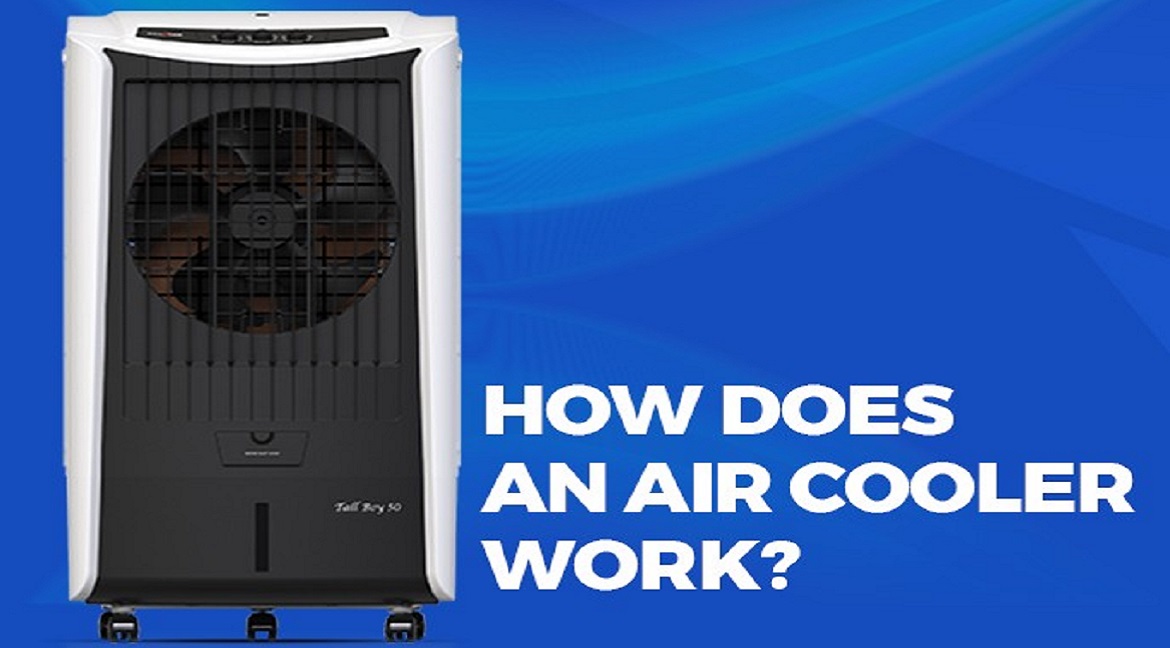
How Does an Air Cooler Work ?
Summers are here and so is the sweltering heat. And, when it is too hot to step out in the sun, what’s better than sitting with a tub of ice cream, binge watching your favorite show, all while enjoying the pleasant and cold air of your air cooler. But have you ever wondered how does an air cooler really work? We are here to tell you all about it.
It is pretty simple; air coolers use a process called “evaporative cooling”. It is a natural process in which cooling happens when air moves over water. Think of it this way, when we are at a beach, no matter how hot, the sea breeze is always cool. It is so because the air is moving over water.
Using the same concept, an air cooler comprises of three main parts – an absorbent sheet, a fan and a water tank. So, when you fill your air cooler with cold water, the absorbent sheet soaks that water. As the water evaporates from this sheet, the air around it becomes cooler, since this air is moving over water. Hence, the air which blows of the cooler is chill and very natural in its feel.

Need to Deep Clean Your Appliances? Learn Our Experts Tips!
Spring means many things, longer days, flowers blooming, birds tweeting. But it also means it's time for spring cleaning! And what better way to start than with National Cleaning Week beginning March 27th?
Of course, as you clean your home from top to bottom, you'll want to give your appliances a good scrub. This way, your appliances stay at peak performance and last as long as you need! But first, you'll need some tips on the best ways to make your appliances sparkle.
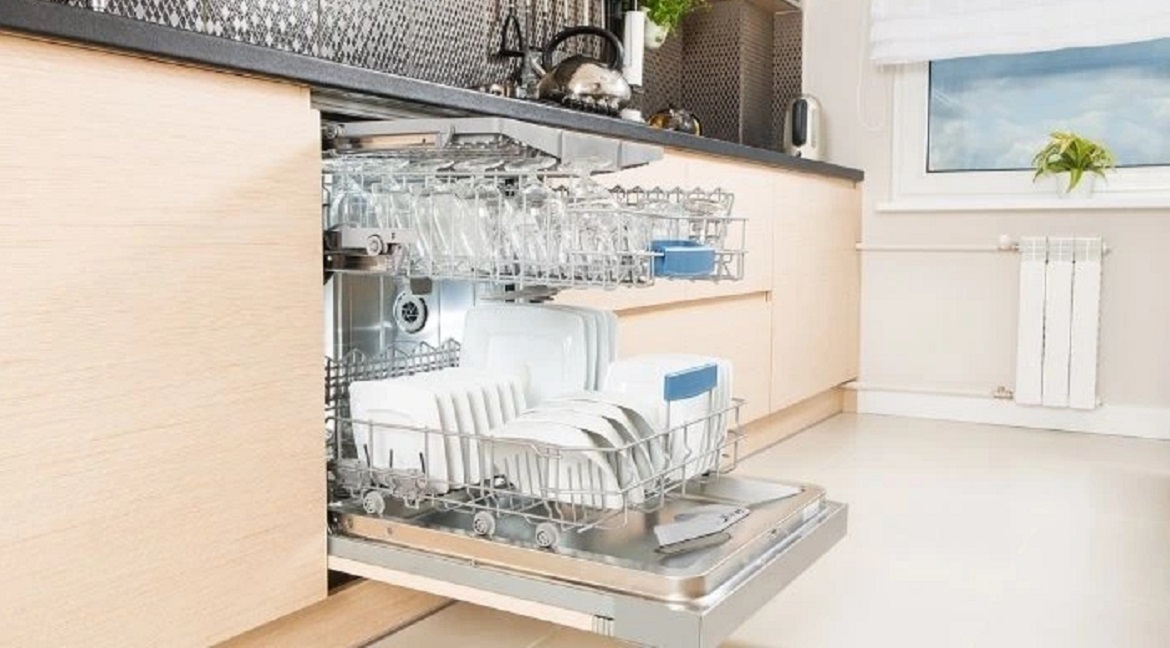
What Really Gets Your Dishes Clean in the Dishwasher?
Dishwashers are a staple in most households, but most people don't know, but most people don't know the science and mechanical workings that go on when the dishwasher door is closed. Dishwashers come in a variety of sizes and styles, from built-in to portable dishwashers, but they all operate in the same way. So, what does happen? How does anything get clean? We're happy to tell you.
A dishwasher is essentially a machine that cleans and rinses soiled dishes. Users must load the dishwasher, add detergent, set the appropriate cleaning cycles, and switch it on, but the dishwasher does several tasks on its own. Dishwashers usually have a control that allows you to set the amount of time the dishwasher runs for. They also have sensors that detect how much soil is on the dishes, allowing the dishwasher to calculate how much water to use and how long to run the cycle. Most dishwashers offer a "fast wash" cycle that lasts 30 to60 minutes, a "regular" cycle that lasts 90 to 120 minutes, and a "heavy-duty" cycle that can last up to four hours.
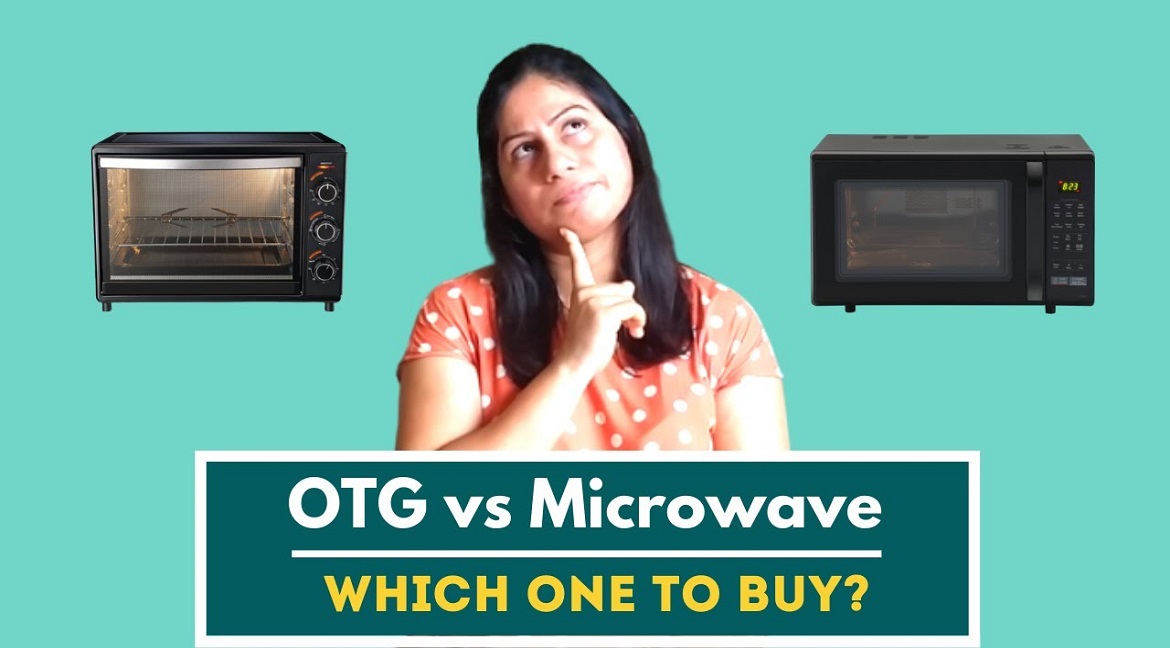
Choosing Between a Microwave and an OTG
In a long list of appliances that have made our lives easy and food tastier, OTG (oven, toaster and grill) and microwave feature somewhere right at the top. However, people are often confused what to buy and how to choose the right appliance for their kitchen. So, we are here to demystify both the appliances for you, so that you can take a call on whether you need a microwave, an OTG or both.mic.
Here are the important things to consider when you’re choosing between a microwave and OTG:
The key difference between a microwave and an OTG is the heating method used. While microwave uses electromagnetic waves, an OTG uses electric coils.
In terms of the electricity used, an OTG uses lesser power as compared to a microwave
A microwave takes lesser time to heat (approximately 5 minutes) as compared to an OTG that takes about 15 minutes or so.
rowave, an OTG or both.